
When to Repair vs. Replace Your Home HVAC System
How to decide whether to repair or replace an aging home HVAC system, with the age, cost, and comfort signals that settle the question.
- Publication Spotsylvania Home Comfort Journal
- Topic HVAC Maintenance Tips
- Updated August 2026
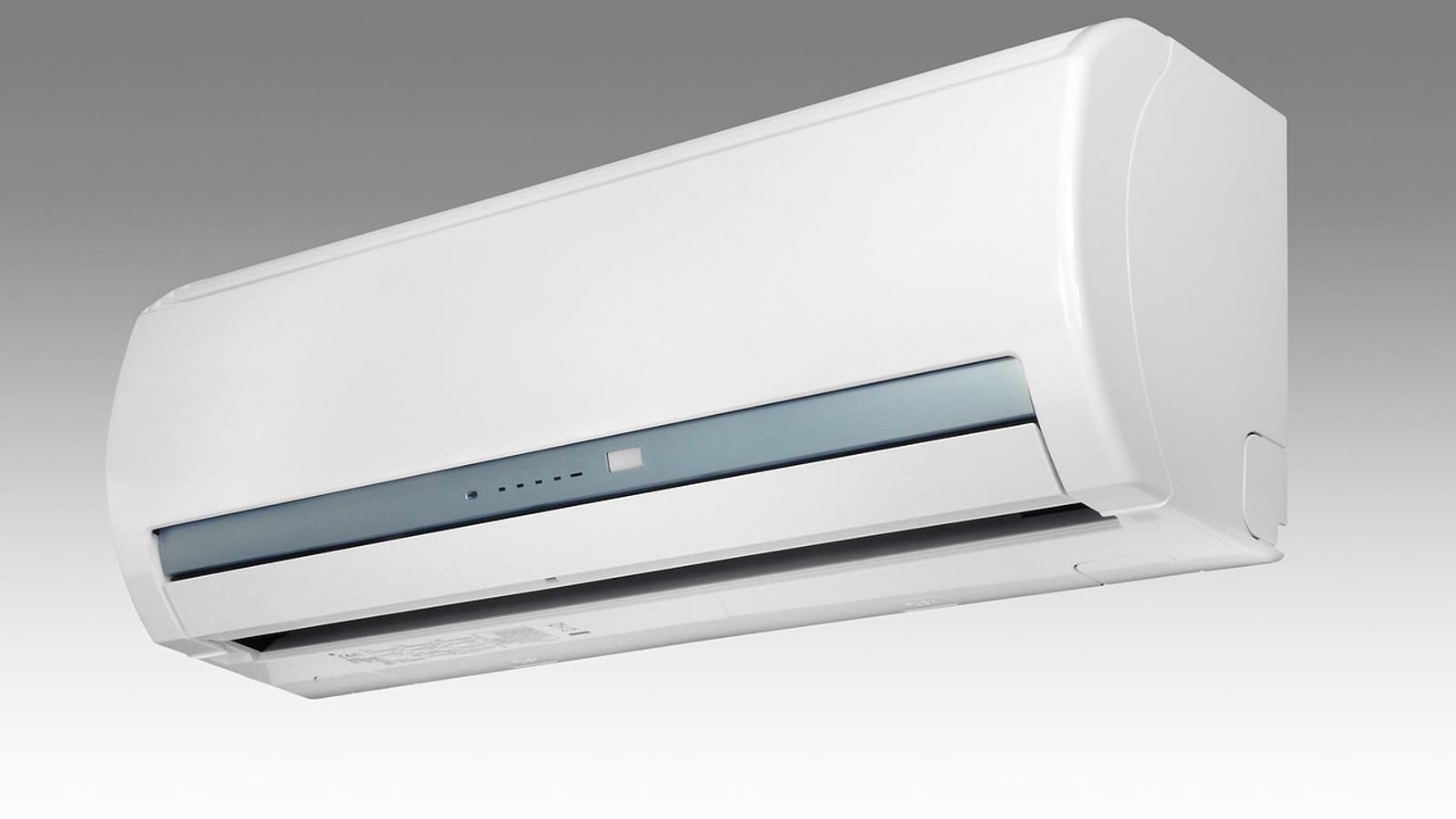
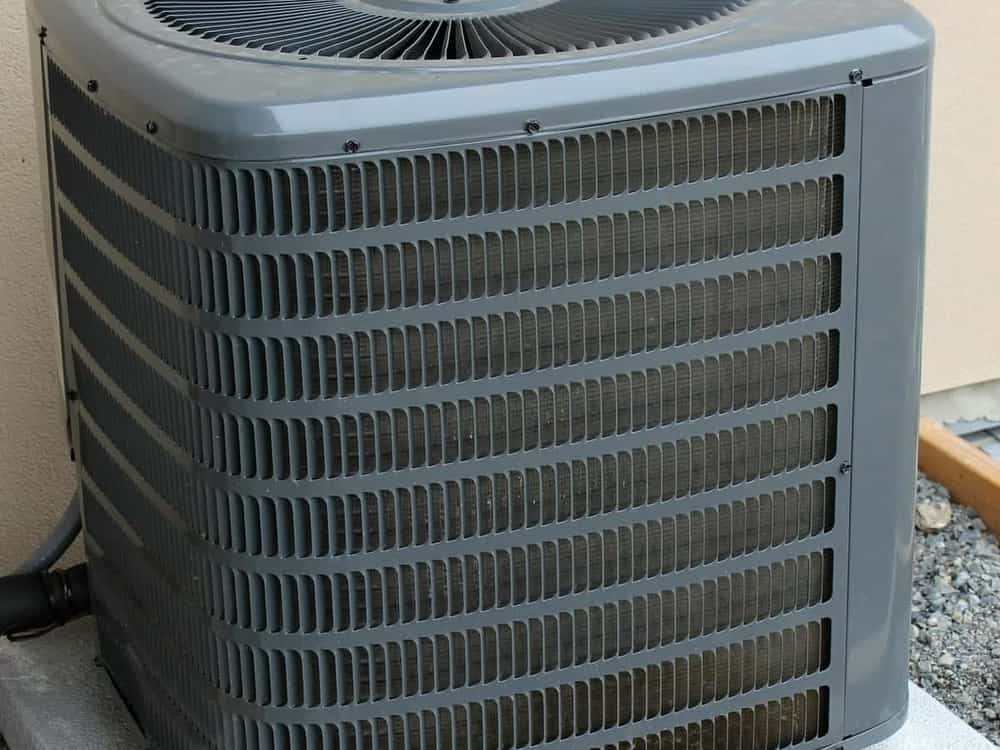
Every aging system reaches a morning when the repair bill starts to feel like a down payment on the next breakdown. Repair or replace is one of the harder home decisions, because the honest answer depends on numbers most homeowners never see laid out. This guide gives you the signals that settle it, so the choice rests on evidence instead of dread.
The age line
Age is the first filter, though not the whole story. A gas furnace often runs fifteen to twenty years, a heat pump or air conditioner closer to ten to fifteen. A system inside that window with a single failed part is usually worth repairing. One past it, with a major component going, is leaning hard toward replacement. Age alone does not decide it, but it sets the odds you are reading everything else against.
The cost test
In local use, the working test is a simple ratio. Multiply the age of the system by the cost of the proposed repair. When that number climbs toward the price of a new system, replacement wins. A cheap fix on a young system is easy. An expensive fix on an old one rarely pays, because the next failure is already forming behind it. Two big repairs in two seasons is a system telling you the answer.
Rising bills belong in the same math. A unit that costs more to run every winter is charging you a hidden repair bill whether or not anything has broken yet.
The comfort and safety signals
Some signals override the arithmetic. A cracked heat exchanger is a safety line, not a cost question, and it ends the debate in favor of replacement. Rooms that never balance, a system that runs constantly without holding temperature, or humidity you cannot shake in summer all point to equipment that no longer fits the home. Comfort you have stopped expecting is still a cost, just one you have quietly agreed to pay.
Timing the decision
There is a difference between an emergency replacement and a planned one, and the gap is money. A system replaced on your schedule, in the mild shoulder season, is cheaper and calmer than one swapped out on the coldest night of the year. If the signals are stacking up, pricing a replacement before the failure is the move, not after. Seasonal reporting in the local Fredericksburg news is a fair warning of when the hard weather lands, and public calendars like the Spotsylvania County Public Schools schedule mark the occupied weeks when a failure hurts most.
The recommendation
Run the three tests in order: age, the repair-to-replacement ratio, and the safety and comfort signals. If two of the three point the same way, trust them. Repair a young system with an isolated fault, replace an old one with a major failure or a safety flag, and do it on your calendar rather than the weather's. When the tests point toward a replacement and you want a firm quote, Robert B. Payne can assess the system and price the options for your home. Public cold-weather guidance from the City of Fredericksburg official website is a useful nudge to decide before the season decides for you.